

Facilities & Technical Uniforms · UAE & GCC
Workwear considered down to the details.
Maintenance, cleaning and technical teams need clothing that supports the job. We develop practical workwear around movement, daily wear and the details that matter in use, from pocket access to a clear team identity.
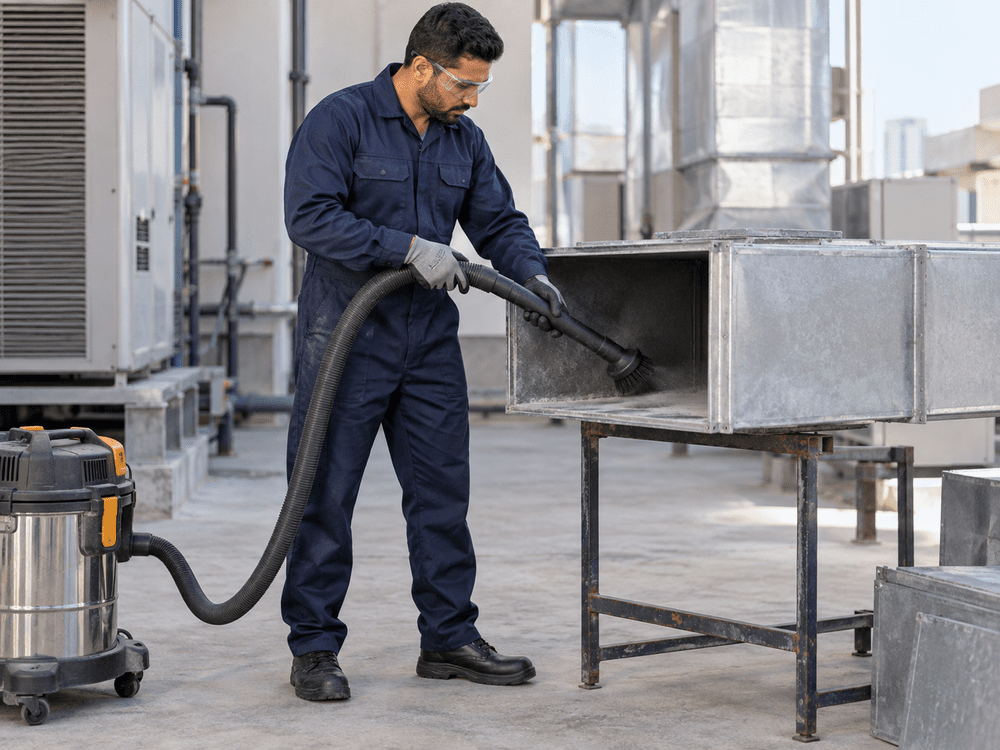
The uniform range
Start with the task. Build the uniform around it.
A technician reaching overhead, a cleaning team moving between rooms and a supervisor meeting a client have different needs. Work shirts, polos, cargo trousers, coveralls and jackets can form a coordinated range without treating every role alike.
Arto is Dubai-based, serving businesses across the UAE, Saudi Arabia, Kuwait and the wider GCC.
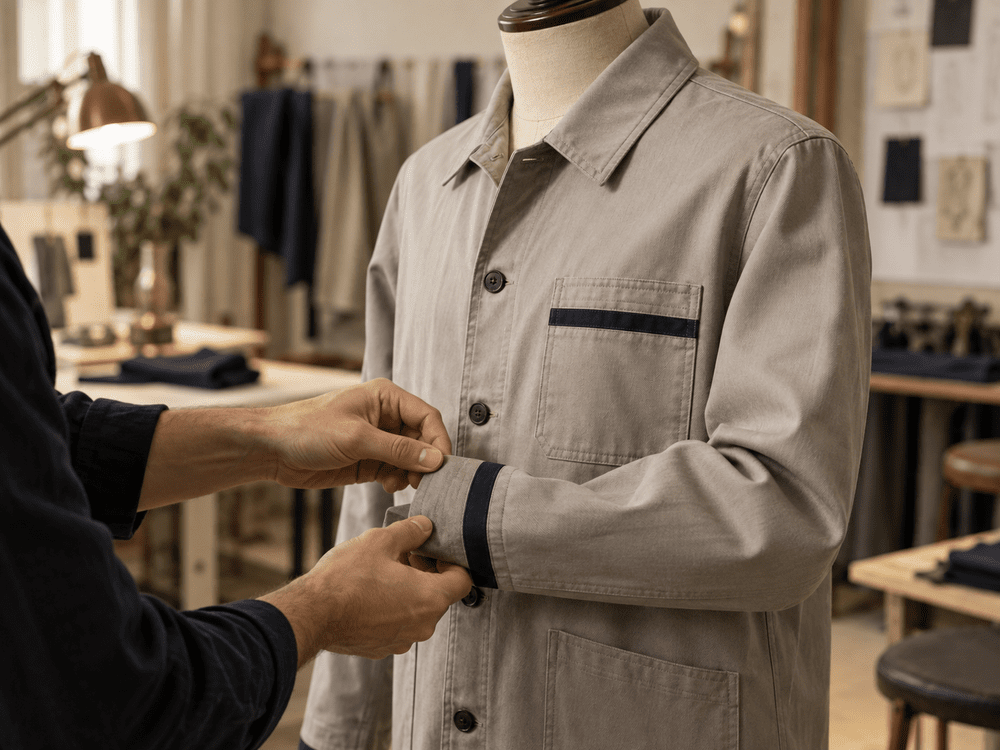
Sector capability
A practical specification, before production.
Facilities uniforms should be planned against real tasks, not chosen by appearance alone. Discuss the working environment, laundry routine and any site-specific requirements before approving garments. The sample is the place to check reach, bending, closures and pocket access.
Fabric & weight
Compare fabric options for the intended duty, care routine and required finish. Agree the weight and construction as part of the specification rather than using GSM alone as a quality measure.
Visibility where required
High-visibility elements can be discussed where the task calls for them. Identify any required standards at the outset; ordinary workwear is not automatically protective equipment.
Sizing & repeat supply
Plan quantities by role and size, approve the sample and retain the garment details. Future orders can then be reviewed against the same reference.
In the details
Details that earn their place.
Construction for daily use
Discuss likely wear points, seams and fabric structure against the task. The heaviest fabric is not automatically the right choice for an active team.
Function within reach
Pocket position, opening size and garment length should suit what staff carry and how they move. Review these details while wearing the sample.
A clear team identity
Use colours and embroidered or printed branding to connect departments. Supervisors can have a distinct garment while remaining part of the same range.
Approval & repeat ordering
A working range that can grow with the team.
A recorded specification connects the approved fabric, fit, pockets and logo placement. It makes later discussions about new starters, replacement items and department variations more precise, while allowing material availability and changes to be checked before each order.
More about Arto ↗Facilities & Technical Uniforms · Questions
Good to know.
Can we customise pockets and garment details?
Pocket placement, closures and other construction details can be discussed during development. Confirm the required functions in the brief and review them in the sample.
Which fabric weight is best for maintenance workwear?
There is no single weight for every role. Activity, environment, construction and laundering all matter. We work through options against the task rather than recommending a GSM without context.
Can cleaners, technicians and supervisors have different garments?
Yes. Different garments can share a colour palette and branding system while reflecting the movement and presentation needs of each role.
Do you supply certified protective workwear?
No certification is implied on this page. If you require protective performance or a specific standard, include it in your enquiry so suitability can be confirmed before proceeding.
Can we approve a sample and reorder later?
Yes. Sampling allows fit, fabric and functional details to be reviewed. Approved specifications can be retained for future orders, subject to reviewing availability and any changes.
What is the minimum order for a workwear range?
Orders start from 20 pieces, depending on the garment and specification. Share quantities by style and role so the applicable requirements can be confirmed.
Let’s dress your team
Tell us what the job demands.
Share your roles, working conditions, garment needs and quantities. We’ll help translate those requirements into a practical uniform range.